Human-Assisted Migration
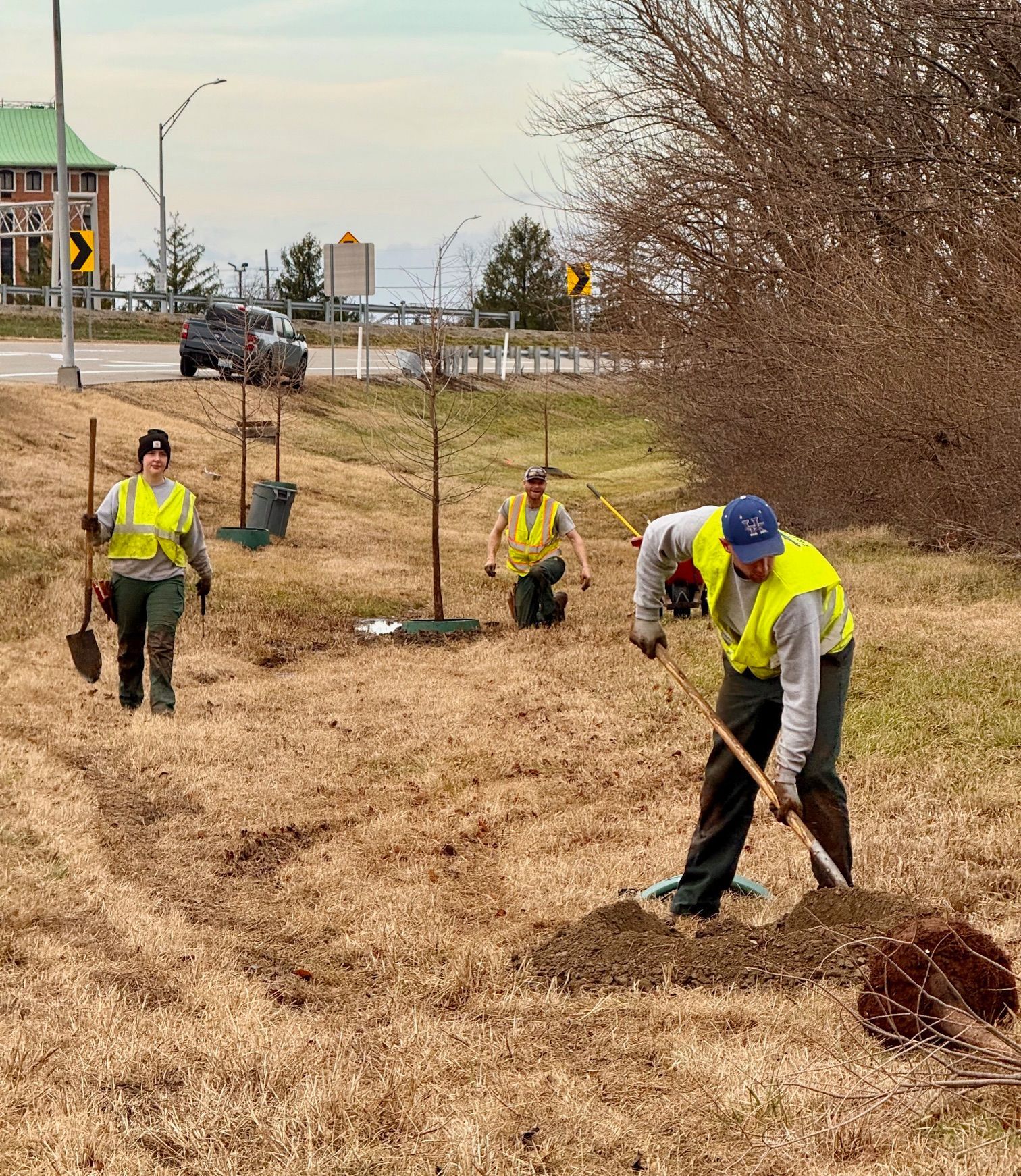
Not a day goes by without more news of record planetary heat. For the last decade, TreesLouisville has been taking meaningful action against the warming climate by planting and protecting trees. In fact, some of our team members have been doing this vital work for decades, even before TreesLouisville was founded.
But temperatures are rising so quickly that our local tree species may not be able to adapt in time. That’s why TreesLouisville is taking a long-term approach: we're expanding our efforts to include trees native to the southern United States, where climates are already warmer.
Watch the video! And if you're a really big tree-nerd like us, scroll down and read on below.
What We're Doing
1. Evaluating Southern Trees Already Planted
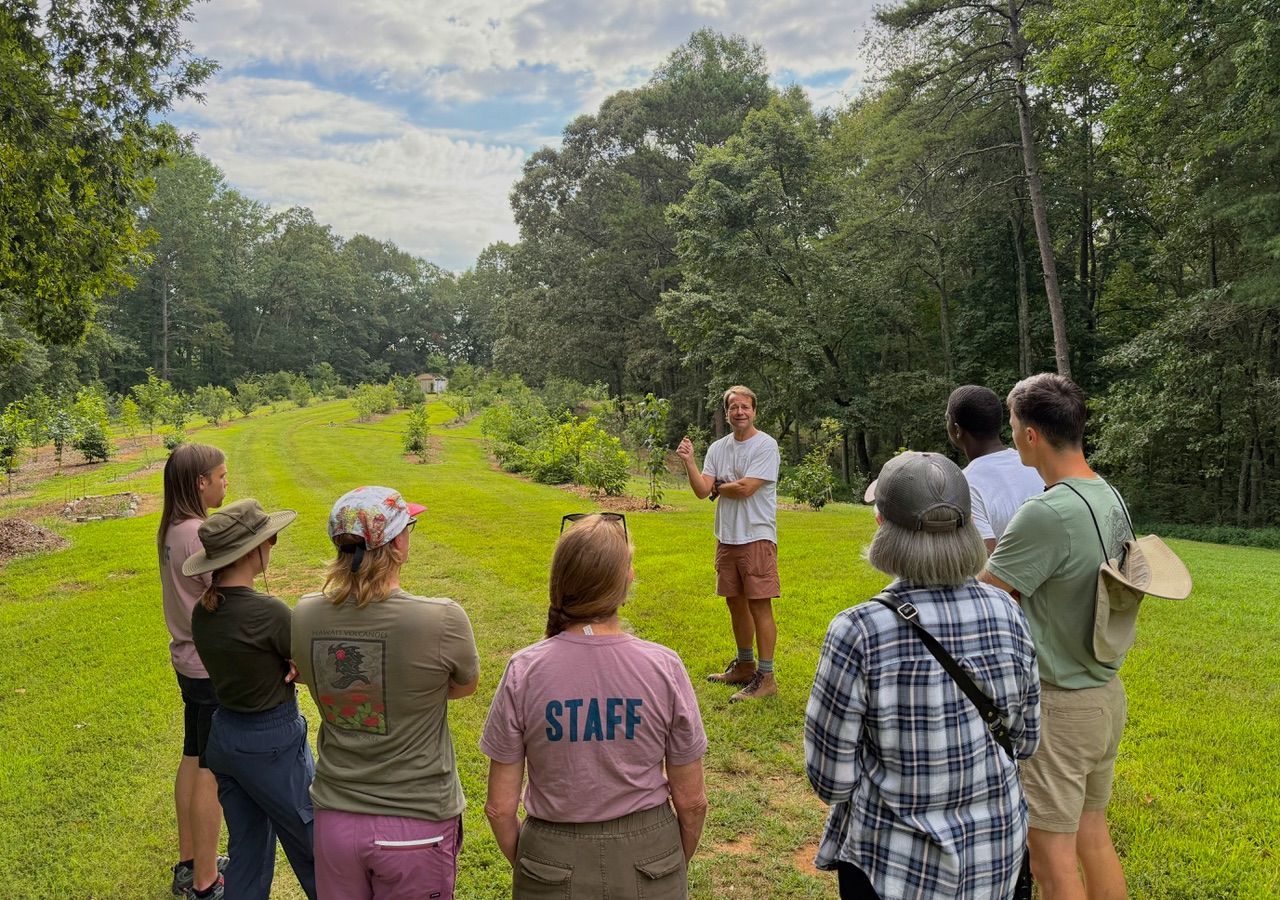
First, we’re identifying southern species that our team members have planted in the Louisville area over the past 30 years. Many of these trees have not only survived but thrived, even through colder winters than those in their native habitats. These proven performers are expected to do even better as our region warms. We’re expanding the use of these well-adapted species. We use GIS to track these trees to aid in evaluation.
2. Introducing New Southern Species
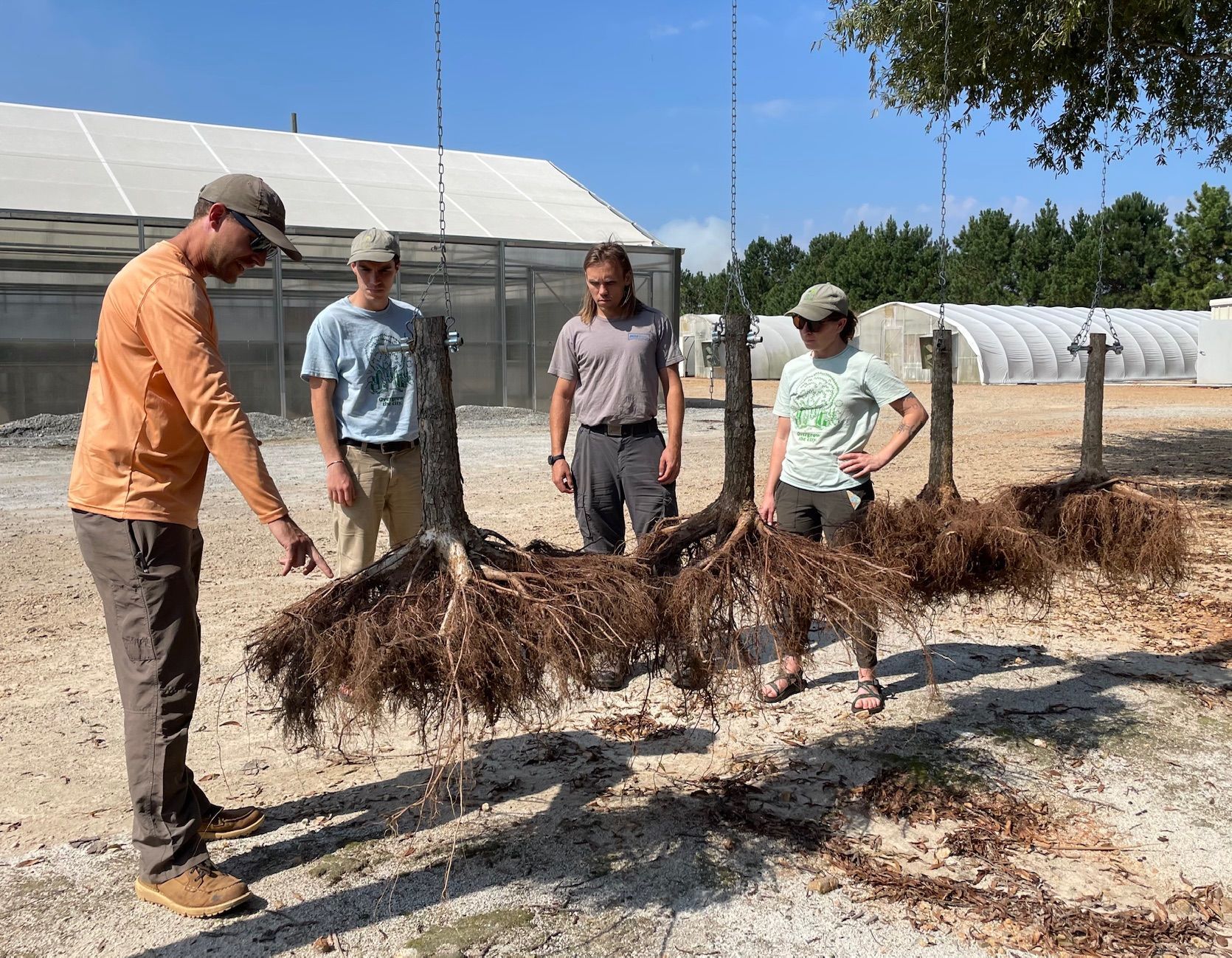
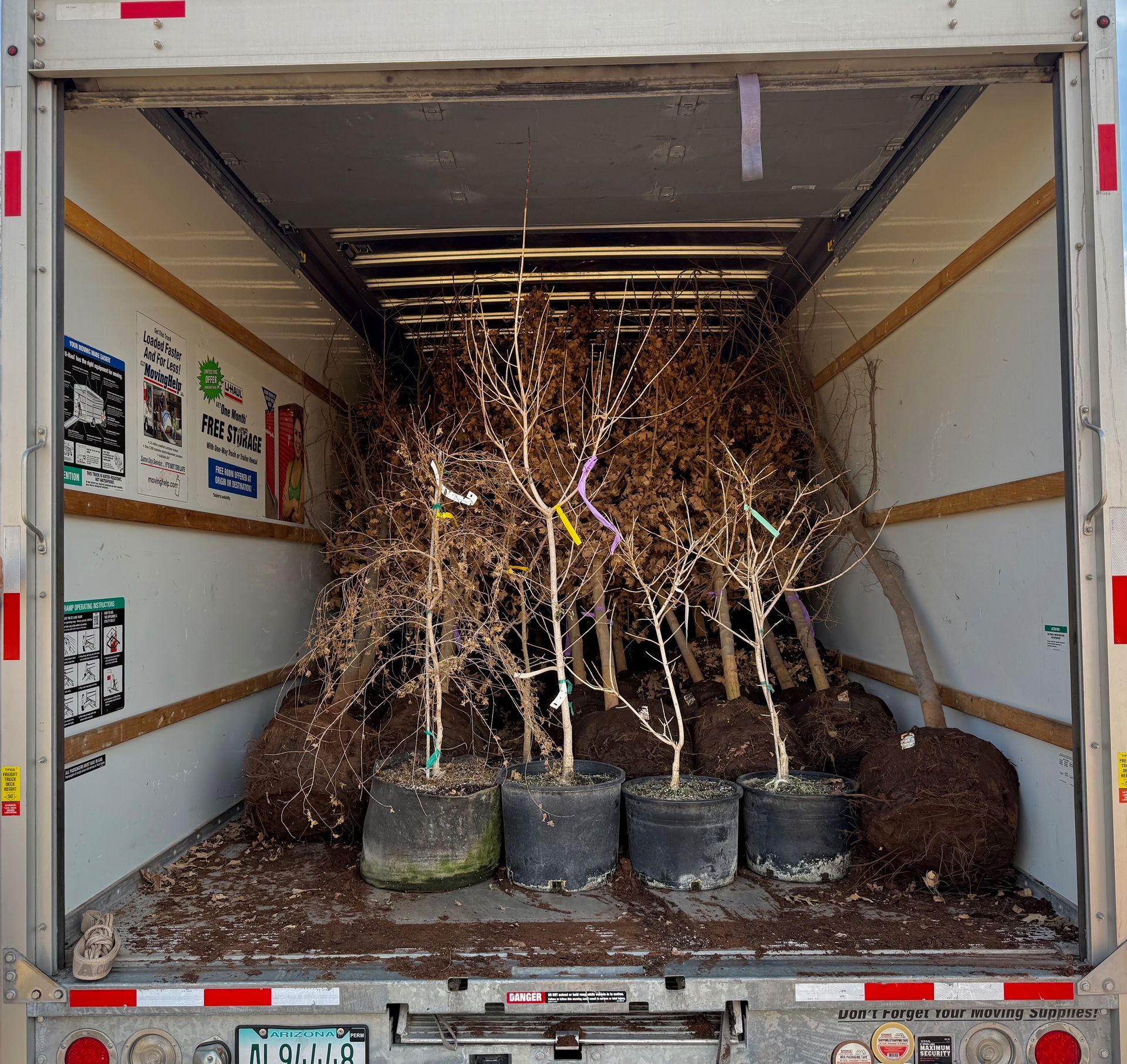
Next, we're acquiring new southern tree varieties - particularly species expected to thrive in hotter conditions over the next century. This includes oaks like bur, post, overcup, nuttall, red, and white - familiar names that are native to Kentucky, but sourced from farther south. Since oaks take up to a century to mature, planting heat-resilient varieties now is an investment in the future.
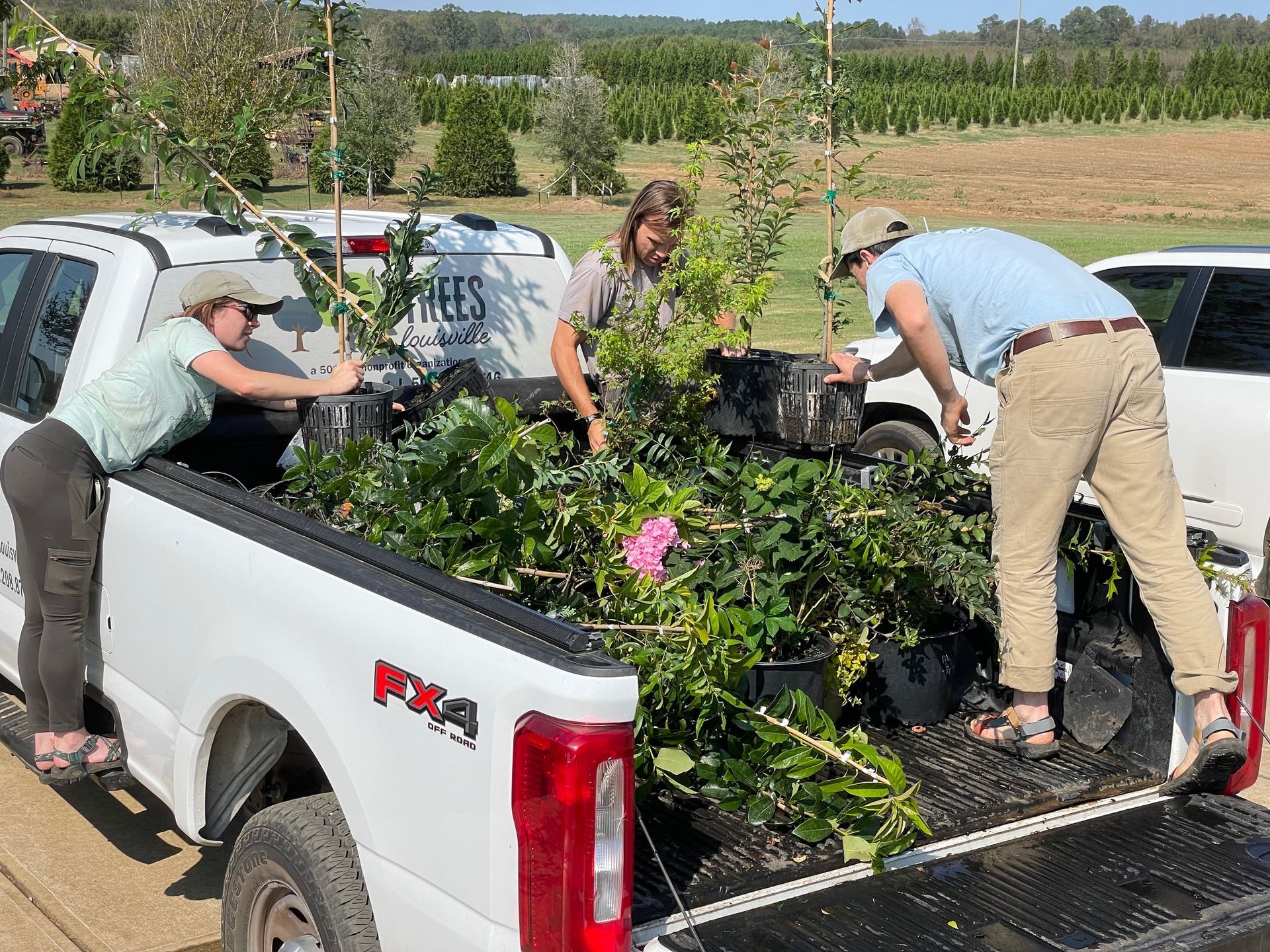
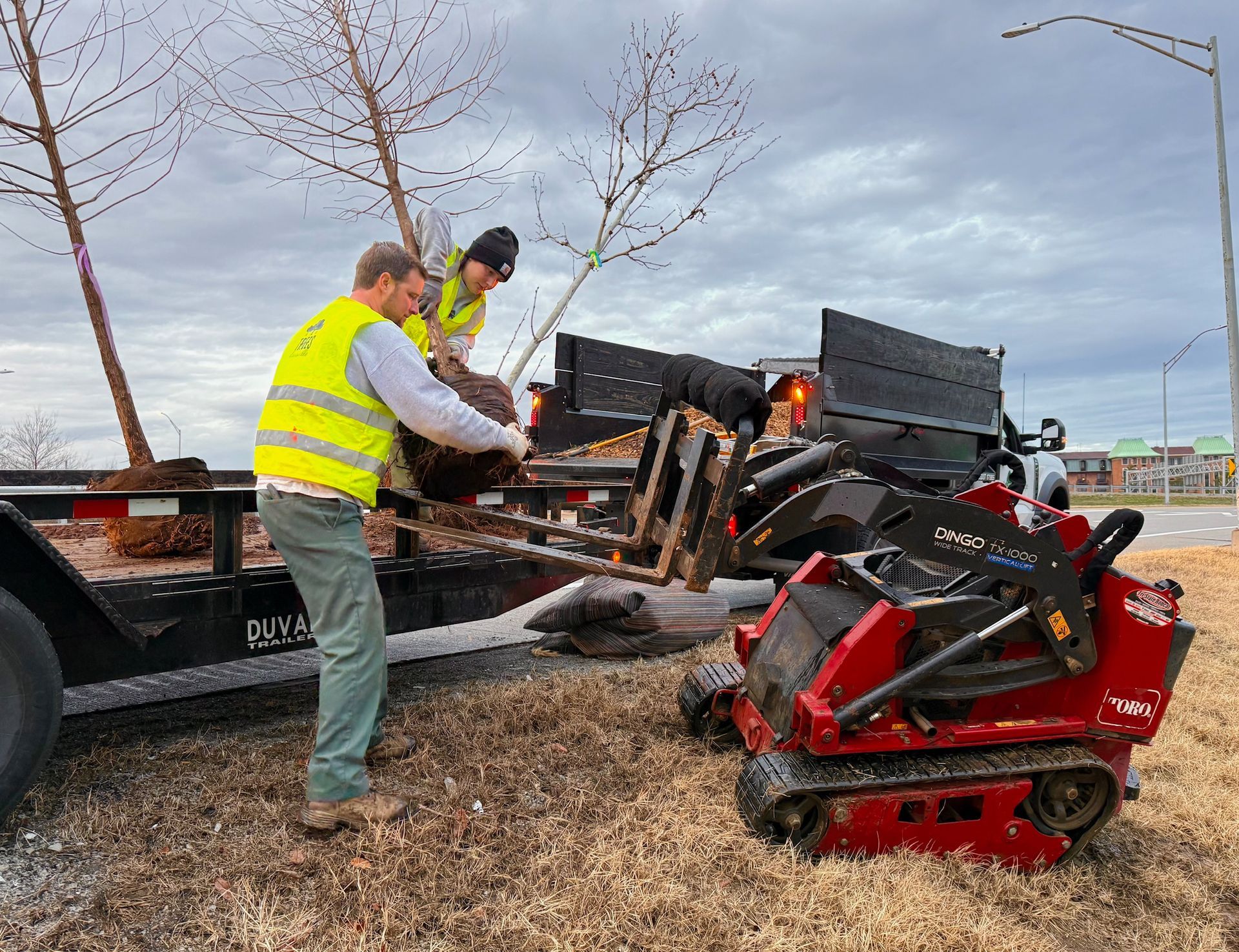
We're also sourcing southern trees from nurseries that specialize in selecting superior specimens for disease resistance, structure, and aesthetics. This approach gives us a valuable head start on establishing healthy, beautiful urban canopies.
Our selections span a range of southern climates - from the humid heat of Georgia to the dry plains of Oklahoma - ensuring a diverse palette of climate-resilient trees. Weather prediction models forecast it is only getting warmer. We have correspondingly experienced wetter conditions than usual: 2025 was one of the wettest years on record and 2018 was the wettest year on record in Louisville. Even so, the urban heat island can produce a phenomenon called a “rain island” which creates a bubble around the city that results in an average lower rainfall downtown. This is why we have to prepare for a wide array of possible weather conditions.
A Balanced Approach
Importantly, we are not abandoning our regional species. TL continues to plant thousands of trees from our local sources. But if we rely solely on trees native to our current climate, we risk losing them as conditions change. Our strategy is both/and: we plant both native and southern-adapted trees.
Looking Ahead
In fall and winter 2025, we continued acquisitions from Georgia nurseries, including southern elms, blackgums, hickories, and various oaks - post, chinquapin, nuttall, willow, and bur - to evaluate their adaptability to Kentucky.
On a trip to western Oklahoma in August 2024, we arranged delivery of two proven performers - cedar elm and Lacey oak - along with a dozen additional species we’ll test for long-term viability in our region that we will have for the 2025-2026 planting season.
This is what we do at TreesLouisville - for now, and for the next 100 years.
***Pest and Disease Disclaimer***
All wholesale nurseries are required by the USDA to go through regular invasive pest and disease inspections before moving trees across state lines.